
Florida Microplastic Awareness Project
Project Goal: To enhance awareness about the presence of microplastics in Florida’s waters.
The Florida Microplastic Awareness Project (FMAP) is an extension and citizen-science project that raises awareness about the presence of microplastics in Florida’s waters.
We provide resources for microplastics education as well as a citizen-science microplastics sampling project. Volunteers enhance microplastics data by collecting and filtering coastal water samples from their local waterways. Volunteers also help educate stakeholders about the sources of and problems caused by microplastics.
Funded in 2015 by an outreach and education grant from NOAA Marine Debris Program, FMAP uses methods based on those developed by Abby Barrows, principal investigator of Adventure Scientists’ Worldwide Microplastics Project.
Follow the FMAP Facebook page, join the Facebook group, and browse the YouTube channel to learn more about news, training sessions and volunteer opportunities!
Geographic Scope:
- Most coastal counties in Florida
Volunteer Activities:
- Microplastics data collection
- Education & outreach
- Pledge to reduce plastic use
Agency Partners:
Share This Project
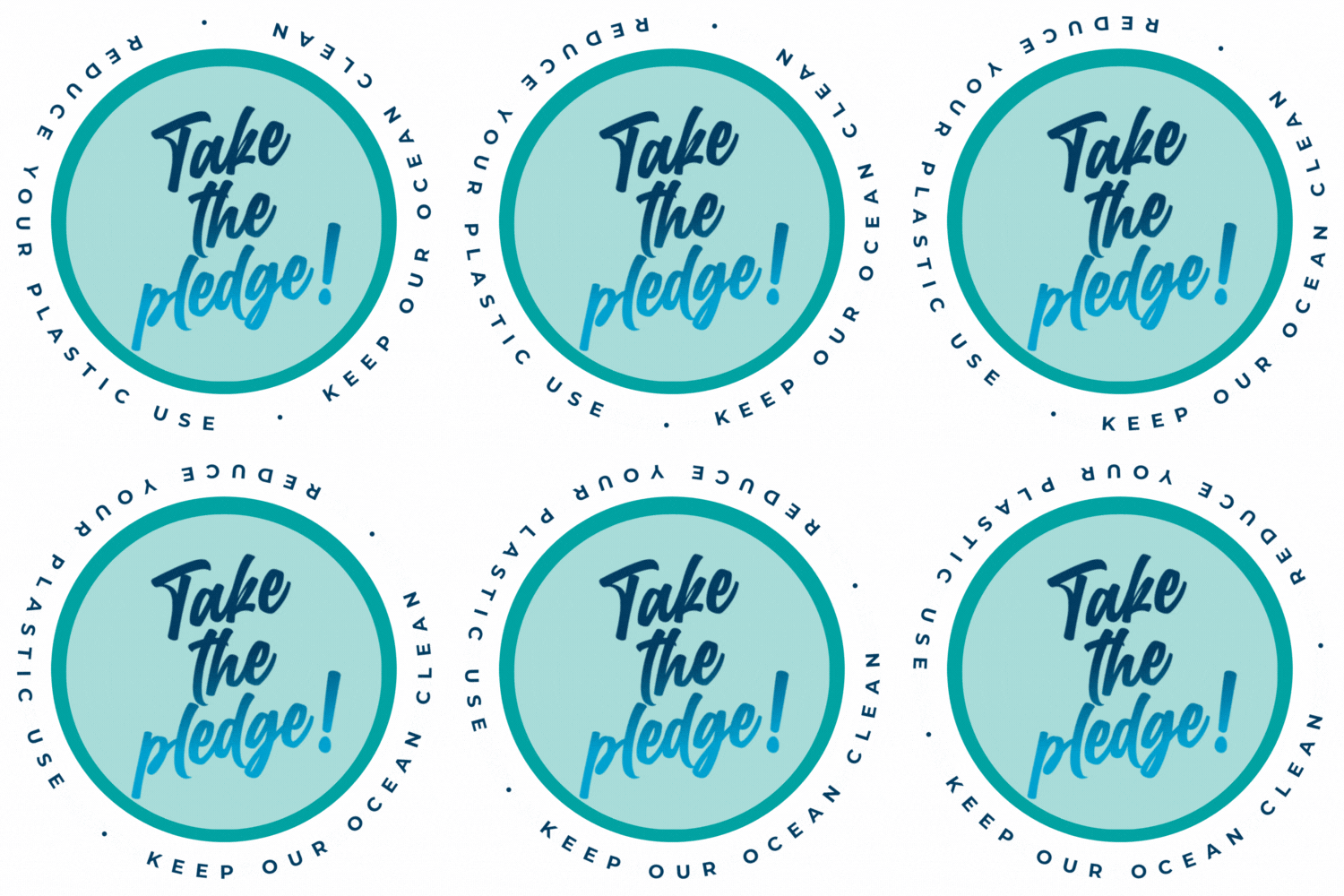
Do your part to keep our ocean clean
Research has shown that when people take a pledge to do a certain behavior, they are more likely to follow through. Take the pledge to reduce your contribution to microplastic pollution.
What To Expect
The Florida Microplastic Awareness Project has several roles for citizen scientists. Volunteers are welcome to participate in one or more of the following activities:
- Collecting water samples
- Filtering water samples
- Looking at filters under a microscope
- Helping teach others about microplastics at local outreach events
Read the FMAP Volunteer Manual to learn more about each volunteer activity above, including the FMAP protocols and forms involved with each.
Additional resources for those volunteers interested in sampling for microplastics are found below.
Who To Contact
If you are interested in volunteering with the Florida Microplastic Awareness Project, find and connect with your local FMAP coordinator on the map below. If you would like more information, please contact Carloyn Kovacs.
Microplastic Sampling Training Videos
Watch the following videos to learn more about microplastics and/or to learn about the FMAP methods for sampling for and identifying microplastics in water samples.
Florida Microplastics Awareness Project Training
7 Videos
46:52
3:24
3:31
4:14
5:16
More Information
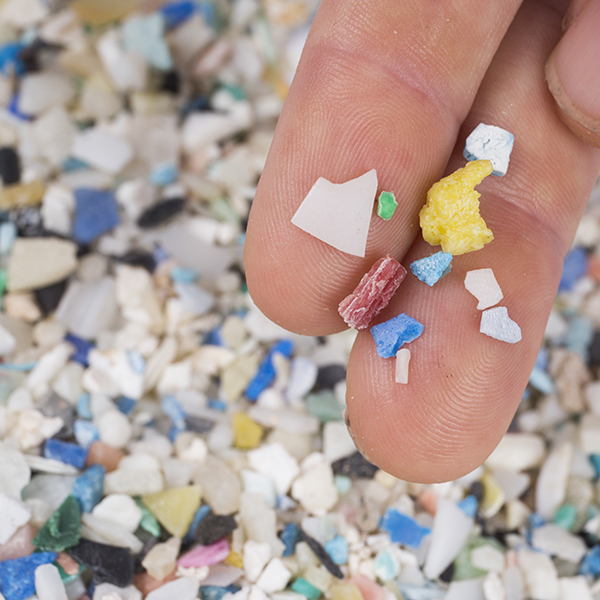
Each time you take a shower or do laundry, you just may be adding microscopic bits of plastic into the aquatic environment. These tiny particles never biodegrade and may be accidentally eaten by marine life, potentially threatening their health. Toxins in the environment are attracted to and can easily adhere to their surface.
Plastics may leach toxic chemicals, used in their manufacture, or picked up from the seawater. They might also impede an organism’s ability to eat.
Microplastic is generated in several ways. Polyethylene fragments used in personal-care products are one source, because many water-treatment facilities are unable to filter them out. For plastic garbage in the environment, wave action and sunlight can weaken large items and break them into ever-smaller fragments. Some microplastic material is dust from construction or industrial processes that’s carried to the ocean by wind or water.
All of these tiny plastic particles wouldn’t be such a problem if they quickly broke down into simpler chemical forms, but plastic molecules are very resilient and could remain intact to threaten the environment for thousands of years.
Download Contaminants in The Urban Environment: Microplastics to learn more.
Have you been in contact with a site coordinator and begun sampling for microplastics? Submit sampling data and volunteer time use the following links:
Additional Resources For Sampling Microplastics
NOAA’s Laboratory Methods for the Analysis of Microplastics in the Marine Environment was published in July 2015. The methods are best suited for a university or formal lab setting (as opposed to K-12 or citizen science efforts). Methods are given for both sediment and water samples.
Additional Resources For Identifying Microplastics
The Marine and Environmental Research Institute’s Guide to Microplastic Identification provides tips for observing and identifying microplastics from water samples that have been vacuum-filtered through 0.45 micron gridded filter paper. It does not try to identify the source of the plastic, but has suggestions about how to tell if something is plastic or not.
K-12 teachers and informal educators can browse resources for bringing microplastics education and activities into the classroom within our Microplastics Education page.
- Microplastics Presentation [PDF 7.5 mb] [PPTX 62 mb]
- FMAP Handbook
Data
The map below visualizes the concentration of microplastic sampling results for water samples around Florida. Older data (which do not differentiate between plastic fibers and natural fibers) can be viewed on this older Google Map site.
More To Explore
Be Seagrass Safe
- Be a seagrass safe boater, learn how to prevent seagrass scarring and protect these precious habitats.
Eyes on Seagrass Blitz in the Indian River Lagoon
- Help report seagrass in the Indian River Lagoon region.
Great Goliath Grouper Count
- Become a Citizen Scientist and dive for data on the Goliath grouper in Florida.
Faculty Contact
For more information on this program, please reach out to the Florida Sea Grant experts below.